Click here to review a sampling of the workbook.
Review the Scope and Sequence for more information.
The Matrix Model for Teens and Young Adults provides a proven, evidence-based, flexible Intensive Outpatient Program (IOP) for alcohol and drug treatment that works for people between the ages of 13 to 25. It uses cognitive-behavioral therapy (CBT), and motivational interviewing (MI) to teach patients to analyze events and change thoughts, behaviors, and lifestyle related to alcohol and other drug use.
The program includes four core clinical areas that are essential when working with a youth population: individual family therapy, early recovery, relapse prevention, and family education. The value of participation in Twelve Step and other peer fellowships is reinforced throughout, and it also emphasizes the importance of social support, urine analysis, and breath testing as essential components with instructions included. And although the program can be completed in 16 weeks, it can also be extended up to 12 months to support continuing care and aftercare.
This best-selling program has been updated and expanded:
- easily adapt to multiple levels of care that supports both outpatient and residential settings
- include medications for opioid use disorder (MOUD) sessions for young adult clients aged 18 and older
- include the 16-session Young Adult Early Recovery Skills Group that meets ASAM criteria for clients 18 years and older
- provide new information on today's commonly used addictive substances, including opioids, cannabis, tobacco and vaping, and other drugs
- meet DSM-5 classifications
- include the updated 12-week Matrix Model Family Program with new video recommendations to deepen the learning
The complete 16-week individualized program includes:
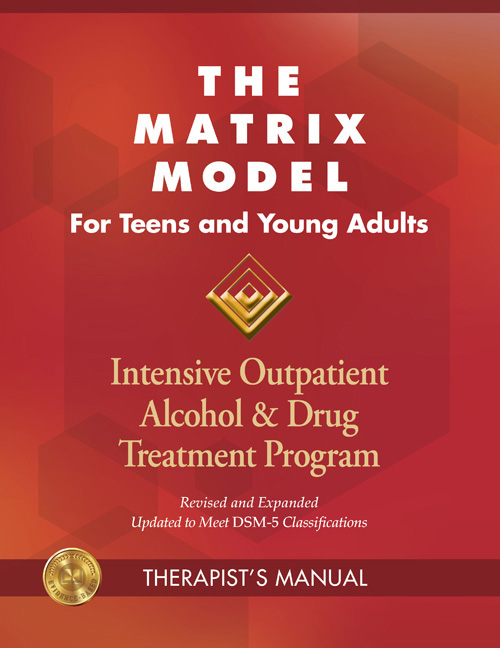
- a comprehensive, evidence-based therapist's manual
- reproducible client worksheets and handouts in print and on USB
- three lecture videos: Road Map for Recovery, Triggers and Cravings, and Families in Recovery
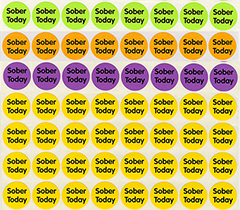
- calendar stickers to help clients track their sobriety
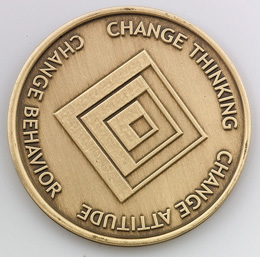
- medallions to commemorate successful program completion
- the 12-week Matrix Model Family Program ($449 value)*
Also recommended:
The Matrix Model Family Program Video Collection
25 videos and over 2 hours of education, real stories, and expert advice aimed at youth. This video collection is a must-have in your adolescent and family programs and includes:
- Youth & Drugs of Abuse
- Young Adults Discover the 12 Steps
- Medical Aspects of Substance Use Disorders
PROGRAM TRAINING AVAILABLE
With
The Matrix Model product training, certified Matrix Institute trainers familiarize participants with the program and the most recent findings in treating substance use disorders. To learn more, contact the Matrix Institute at 800-310-7700 or
visit their website.
The revised and expanded The Matrix Model for Teens and Young Adults is an evidence-based intensive outpatient program that is adapted from the evidence-based The Matrix Model, and provides your teen and young adult clients with the structure of an inpatient treatment experience on an outpatient timetable.